



Knowledge Explanation of Cable Reels
Cable reels are specialized tools for electric wires and cables. Currently, cable reels are divided into two types: large and small. Large cable reels have a diameter of over 1 meter, with some even exceeding 5 meters. Typical examples are large wooden reels used for transportation and logistics. Small cable reels have a diameter of only 30cm to 100cm, with typical examples made from ABS flame-retardant materials and high-temperature resistant materials. Let's learn more about cable reels.
2021-12-12

Cable drumIt is a type of reel specifically designed for wires and cables. Currently, cable drums are divided into two types: large and small. Large cable drums have a diameter of over 1 meter, with some even exceeding 5 meters. Typical examples are large wooden drums used for transportation and logistics. Small cable drums have a diameter of only 30cm-100cm, with typical examples made of ABS flame-retardant materials and high-temperature resistant materials. Let's learn more about cable drums.
Transportation of cable drums:
During transportation, cable products need to go through a certain process of transport and storage from the factory to the user. Therefore, the following issues should be noted:
1. Before transportation, check whether the cable packaging is intact, whether the cable certificate is filled out correctly, whether the cable end caps are tight, and whether the cable is securely fixed on the cable drum. Check for any looseness or detachment of the side panels of the cable drum. Only proceed with transportation after confirming there are no issues.
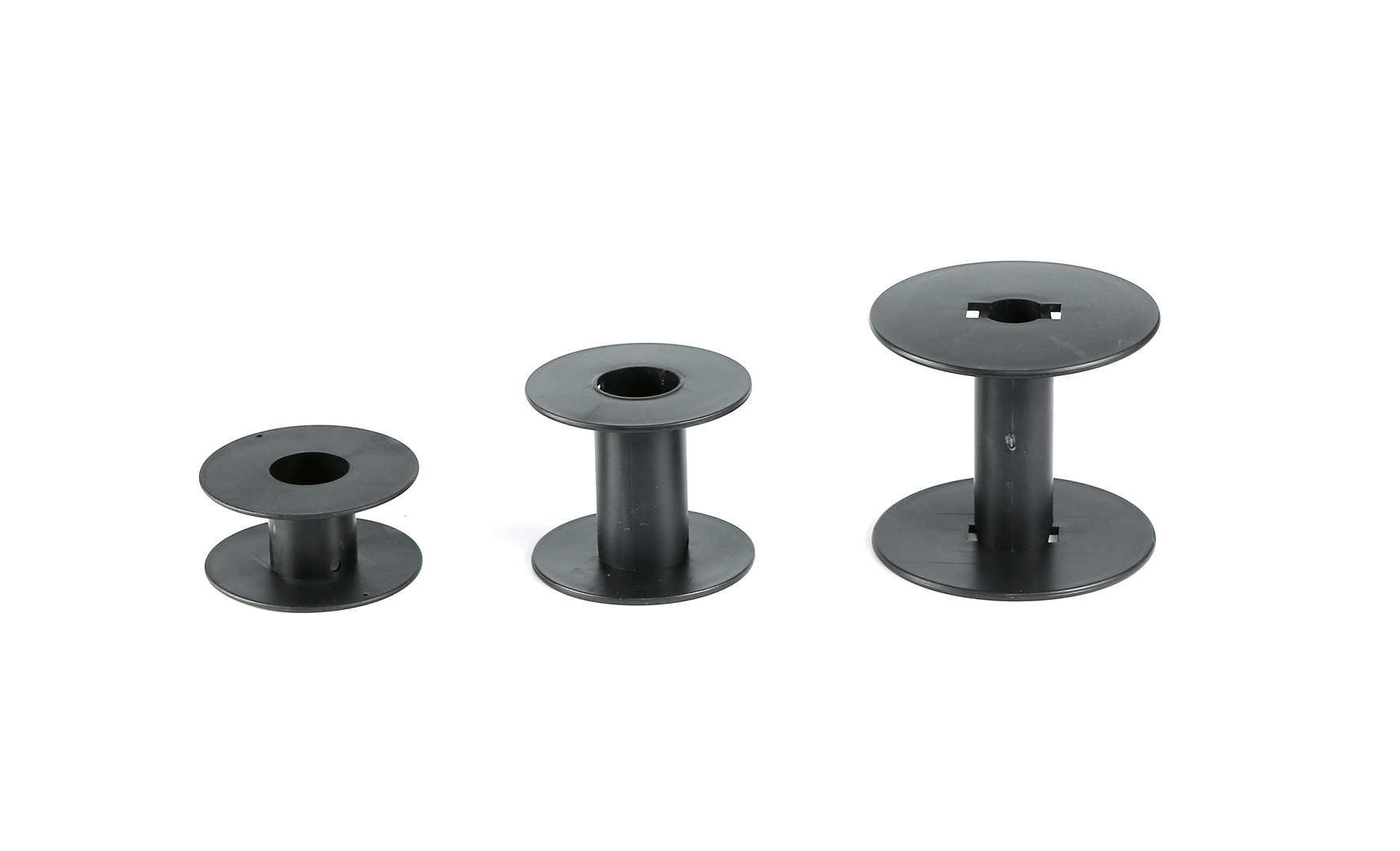
2. When unloading, if there is no lifting equipment, it is strictly forbidden to push the cable drum directly off the transport vehicle. Pushing it off directly not only damages the cable drum but also makes the cable susceptible to mechanical damage. For smaller cable drums, a wooden board can be used to create a ramp, and then the cable drum can be slowly rolled down the ramp using a winch or rope.
3. Cable drums are not allowed to be loaded flat. Loading them flat will cause the cables to become loose and may damage both the cables and the cable drum.
When loading, generally use a forklift or crane. It is strictly forbidden to lift multiple drums of cable at the same time. If lifted this way, the weight distribution will be uneven, and the center of gravity will be unstable, leading to slippage and falling.
For cable drums already loaded onto the vehicle, they should be properly cushioned to prevent shaking, collisions, or tipping. When handling looped power cables, they should not be thrown. During transportation, they should be handled gently to avoid mechanical damage. Looping soft wires can be stacked or transported in containers, but the stacking height should not be too high, and the stacks should be in close contact or have good securing measures to prevent collapse and damage to the cables.
4. Rolling of cable drums. When rolling cable drums on the ground, it must be controlled within a small distance. The rolling direction must follow the direction indicated on the side of the cable drum. If rolled in the opposite direction, it will cause the cable to unwind and become loose or fall off. After the cable reaches its destination, it should be checked promptly for any damage. If any damage is found, contact the manufacturer immediately for assistance. Do not use damaged cables to prevent adverse consequences.
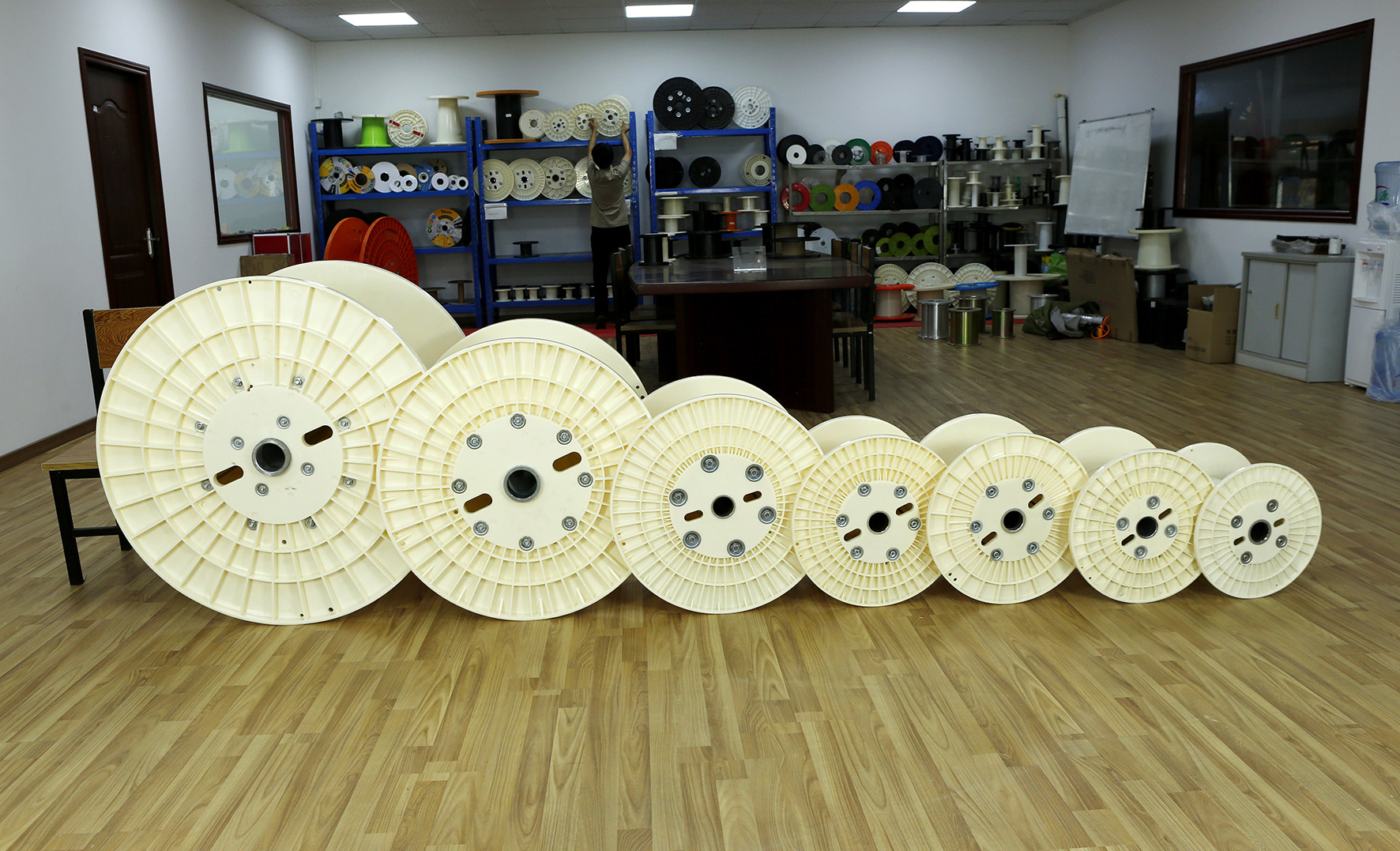
For important project cables or export cables, protective sealing plates should be nailed inside the openings of the cable drum. It is best for the protective sealing plates to be tightly fixed against the cable package. In case the cable drum is impacted during transportation, the protective sealing plates can provide better protection.
5. When loading cables onto the drum, the ends should be reliably sealed, and protective covers (caps) should be added to the cable ends extending outside the drum. During transportation, ensure there is a certain gap left on the side of the cable drum to prevent the cable end caps from being damaged.
6. On vehicles, ships, and other transport tools, cable drums should be arranged in a crisscross manner. The cable drums must be placed securely, with steel wire ropes firmly securing them to the transport vehicle, and triangular wedges should be used at the bottom of the cable drums to prevent shaking, collisions, or tipping during transport.
7. When transporting large cable drums, attention should be paid to selecting road transport equipment. If using a heavy-duty truck, ensure that the height of the truck complies with the height restrictions of bridges and tunnels on the road. If it exceeds the limit, a specialized trailer can be used to lower the transport height.
The above is aboutCable drumthe relevant content shared regarding knowledge explanation. Through this article, I believe that friends who have confusion about cable drums now have a clear understanding, and I hope it can help more friends.
Contact Us
Mailbox:
wangyumei630@163.com
Tel:
086-769-85707005
Mobile:
086 132 6843 4928
Address:
Building 3, Wanshan Factory, No. 38 Hulin Road, Humen Town, Dongguan City
CONTACT US
ZhenHua Packing Machinery
Tel: 086-769-85707005
Mobile: 086 132 6843 4928
Email: wangyumei630@163.com
Address: Building 3, Wanshan Factory, No. 38 Hulin Road, Humen Town, Dongguan City
ZhenHua Packing Machinery
Follow our media for more information
Online message
If you are interested in our products, please leave your contact information
SAF Coolest v1.3 设置面板 GAGSE-ZGYF-JASXE-ZXE
无数据提示
Sorry, the current column has no content for the time being.!
You can view other columns or returnHome Page